








Planning a Home Renovation in Fort Lauderdale: Practical Decisions Before You Start
Renovating a home in Fort Lauderdale is not just about making a space look newer. In South Florida, a good renovation has to account for heat, humidity, heavy rain, coastal air, daily wear, and the way people actually use their homes. A beautiful kitchen, bathroom, or exterior upgrade should not only improve the appearance of the property, but also make it more functional, durable, and easier to maintain.
Before starting a renovation, homeowners often focus on finishes first: tile, paint colors, countertops, cabinets, lighting, or flooring. Those details matter, but the most successful projects usually begin with better planning. Understanding the condition of the home, the purpose of the renovation, and the right sequence of work can help avoid delays, unnecessary expenses, and design decisions that do not hold up over time.
Start With the Part of the Home That Creates the Biggest Problem
One of the best ways to plan a renovation is to identify what is no longer working. Many homeowners know they want a change, but the project becomes clearer when they define the real problem behind it.
For example, a kitchen may look outdated, but the bigger issue might be poor storage, limited counter space, bad lighting, or a layout that makes cooking inconvenient. A bathroom may need new tile, but it may also have moisture problems, poor ventilation, old fixtures, or surfaces that are difficult to clean. An exterior may need painting, but there could also be damaged trim, worn roofing details, aging gutters, or surfaces affected by constant sun and rain.
A renovation should solve practical problems first. Once the function is clear, the design choices become easier and more intentional.
Think Beyond Appearance
A common mistake in home renovation is choosing materials only because they look good in a showroom or online photo. In Fort Lauderdale, materials have to perform well in a warm, humid, and coastal environment.
Flooring, for example, should be selected with moisture, maintenance, durability, and daily traffic in mind. Paint should be appropriate for the surface and exposure level. Cabinets and wall finishes should be installed properly to handle regular use. Exterior materials need to stand up to intense sunlight, rain, and seasonal storms.
This does not mean style has to be sacrificed. It means the best renovation choices combine appearance with long-term performance. A professionally planned renovation should make the home look better while also helping it function better over time.
Kitchen Renovations Should Focus on Layout First
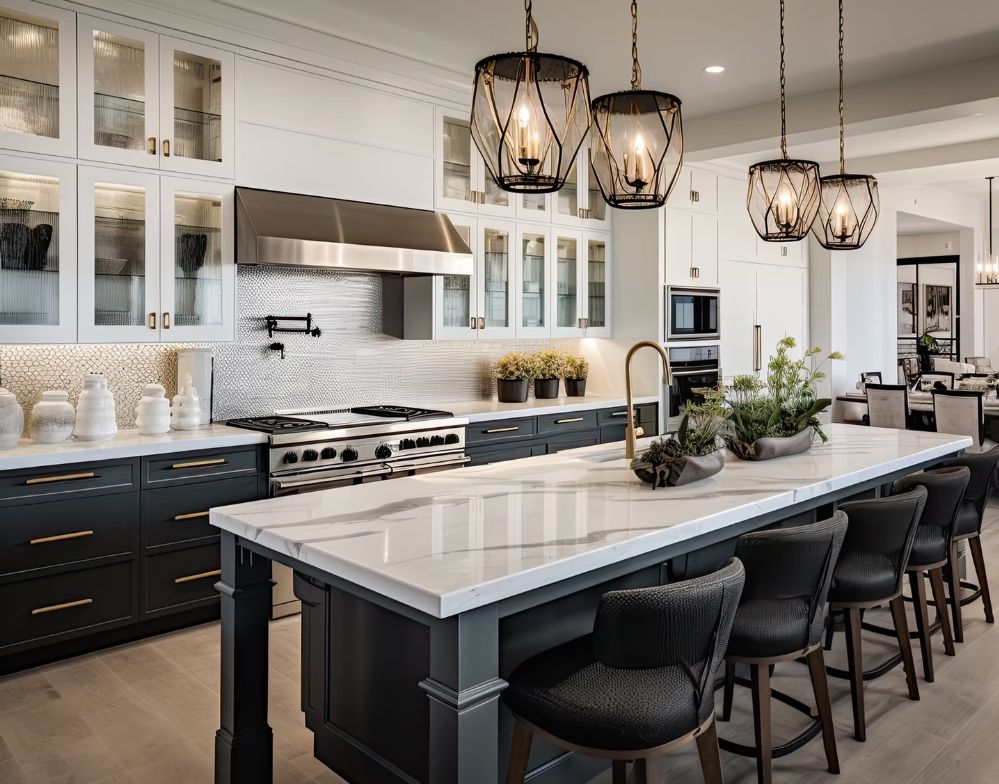
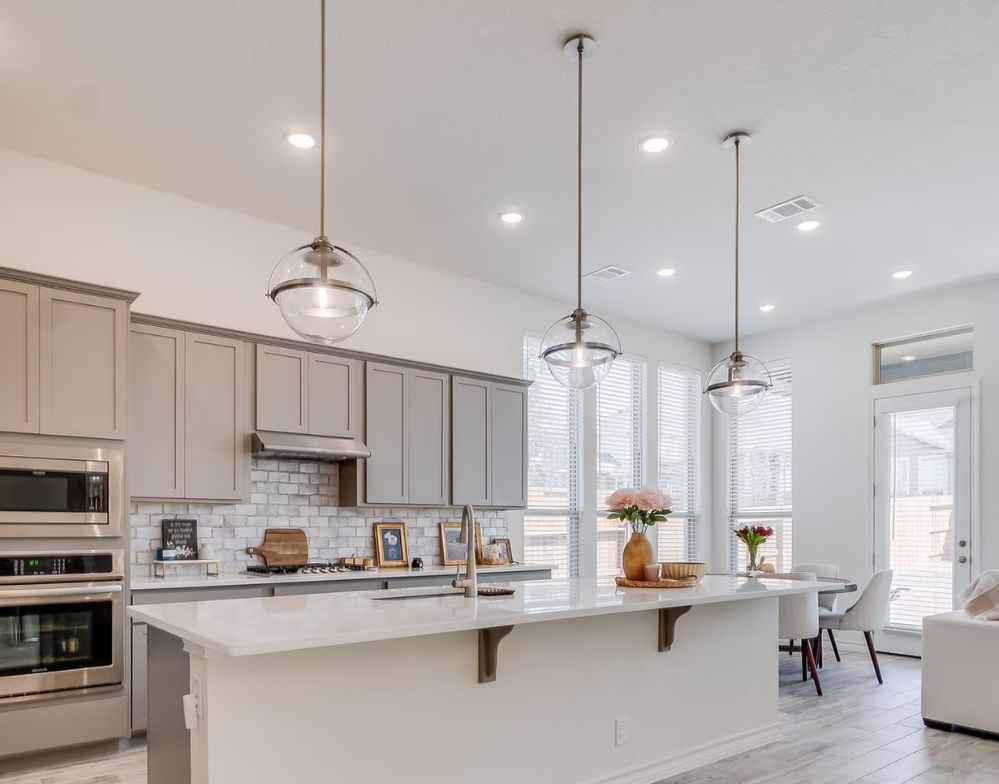
The kitchen is often one of the most valuable renovation areas in a home, but it is also one of the easiest places to overspend without a clear plan. Before selecting countertops or backsplash tile, homeowners should think about how the kitchen is used every day.
Important questions include:
- Is there enough counter space for cooking and preparation?
- Are cabinets easy to access?
- Does the layout support movement between the sink, stove, and refrigerator?
- Is the lighting strong enough for cooking and gathering?
- Are the finishes easy to clean and maintain?
- Does the kitchen feel connected to the rest of the home?
A strong kitchen renovation improves workflow, storage, lighting, and comfort. Cosmetic updates can make a kitchen look fresh, but layout and functionality determine whether the space truly works.
Bathroom Renovations Need Careful Moisture Planning
Bathrooms require more technical planning than many homeowners realize. Tile, fixtures, vanities, mirrors, and lighting all affect the final look, but the long-term success of the renovation depends heavily on preparation and installation.
Moisture control is especially important in South Florida. Poor ventilation, improper surface preparation, low-quality installation, or rushed waterproofing can lead to issues later. A bathroom renovation should be designed to handle daily water exposure while still feeling clean, comfortable, and visually polished.
Good bathroom planning should consider shower layout, tile selection, grout lines, lighting, storage, ventilation, and ease of cleaning. The goal is not just a modern bathroom, but one that stays functional and attractive with regular use.
Interior Finishes Can Completely Change the Feel of a Home
Not every renovation requires a full structural change. Sometimes, the most effective upgrades involve interior finishes that make the home feel more cohesive and updated.
Interior painting, drywall repairs, wallpaper, lighting design, trim work, cabinet resurfacing, and flooring can dramatically change the atmosphere of a property. These updates are especially useful when a home feels dated, inconsistent, dark, or unfinished.
Lighting is one of the most overlooked parts of interior renovation. The right lighting can make rooms feel larger, warmer, and more refined. It can also highlight architectural features, improve visibility, and support the way each space is used.
Wall finishes also matter. Smooth drywall, clean paint lines, quality wallpaper installation, and well-finished trim can make a home feel more intentional and professionally completed.
Exterior Renovation Protects the Property as Much as It Improves Curb Appeal
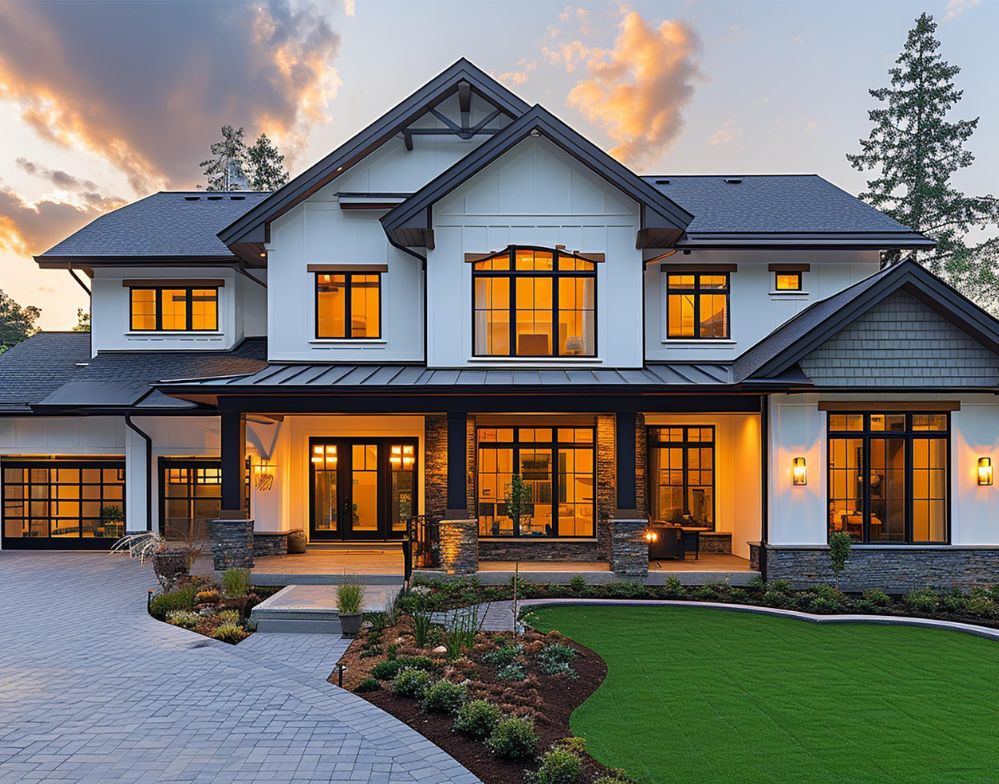
In Fort Lauderdale, exterior renovation is not only about appearance. The outside of a home is constantly exposed to sun, rain, humidity, wind, and coastal conditions. Over time, this can affect paint, roofing elements, gutters, driveways, fences, decks, doors, windows, and exterior surfaces.
Exterior improvements may include painting, pressure washing, roofing repairs, gutter work, fence updates, deck improvements, driveway or sidewalk work, window and door upgrades, and other maintenance-related renovations.
These projects can improve curb appeal, but they also help protect the home from deterioration. A clean, well-maintained exterior gives the property a stronger first impression and can prevent small issues from becoming larger repair needs.
Use 3D Planning When the Project Involves Major Design Decisions
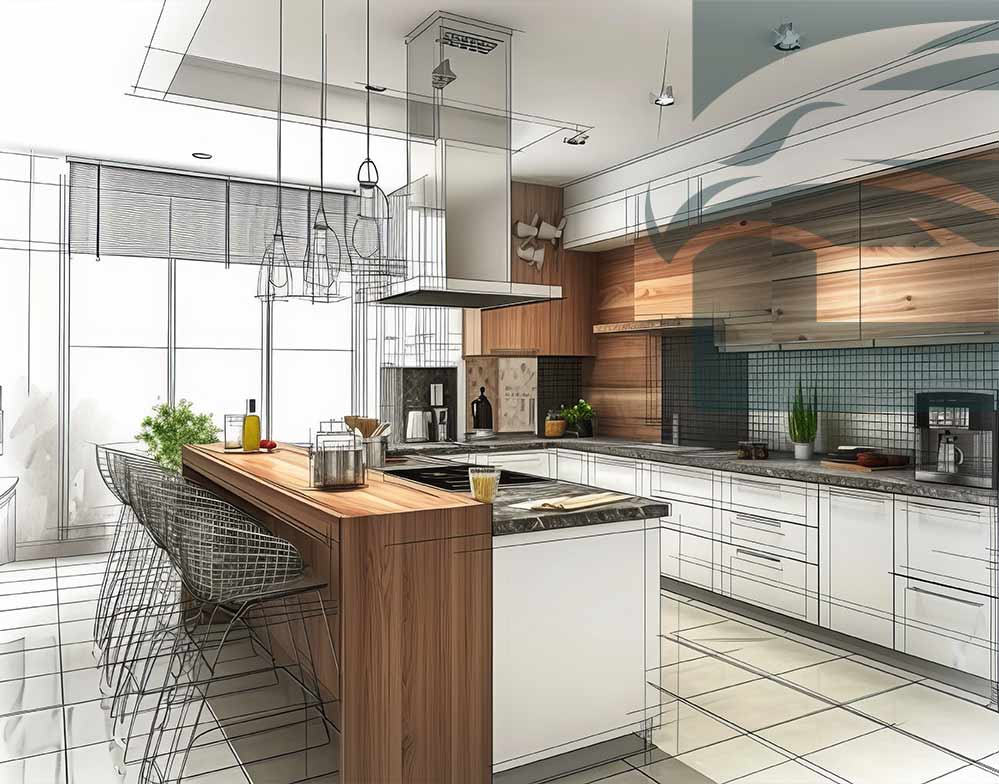
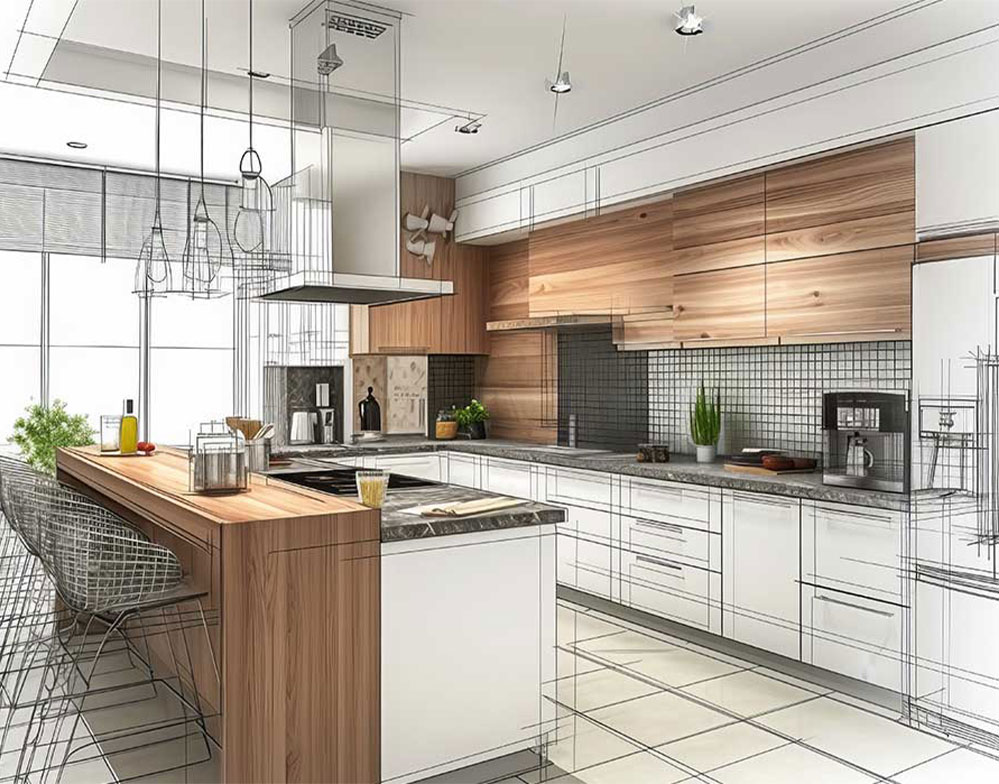
For larger renovations, 3D planning can be extremely helpful. It allows homeowners to see how a space may look before construction begins. This is especially useful for kitchens, bathrooms, living areas, built-ins, flooring changes, lighting layouts, and complete interior transformations.
Many renovation decisions are hard to visualize from small samples alone. A tile may look great by itself but feel too busy across a full wall. A cabinet color may work in one lighting condition but look different in the actual room. A layout may seem practical on paper but feel tight once the space is built.
3D design helps reduce uncertainty. It gives homeowners a clearer idea of proportions, finishes, flow, and overall style before committing to the final direction.
Common Renovation Mistakes Homeowners Should Avoid
Many renovation challenges are preventable when the project is planned correctly from the beginning.
One common mistake is starting with a design inspiration photo without considering the actual home. A style that looks beautiful in one property may not fit the layout, lighting, ceiling height, or architecture of another.
Another mistake is ignoring preparation work. Floors, walls, cabinets, and exterior surfaces often need proper preparation before new materials are installed. Skipping this step can affect the final appearance and durability.
Homeowners may also underestimate the importance of sequencing. For example, painting before drywall work is complete, installing flooring before other heavy work is finished, or selecting lighting too late can create unnecessary complications.
Budgeting too narrowly is another issue. A renovation budget should account for materials, labor, preparation, finishing details, and possible hidden conditions. Older homes in particular may reveal issues once demolition or surface preparation begins.
Why Professional Renovation Support Matters
A professional renovation company helps connect all parts of the project: planning, design, materials, scheduling, installation, and finishing. This is important because most home renovations involve more than one trade or task.
A kitchen renovation may include cabinetry, countertops, drywall, painting, lighting, flooring, and tile. A bathroom renovation may involve plumbing coordination, tile work, ventilation, lighting, vanities, and waterproofing. Exterior improvements may require surface preparation, repair work, painting, roofing details, gutters, or pressure washing.
When these parts are not coordinated, the project can become stressful and inefficient. Professional support helps create a more organized process and a more polished final result.
The right renovation team should help homeowners understand what is possible, what materials make sense, which upgrades will have the most impact, and how to avoid common mistakes. A good renovation is not only about completing the work. It is about completing the work in the right order, with the right preparation, and with attention to detail.
A home renovation in Fort Lauderdale should be planned with both design and durability in mind. The best results come from understanding the real problems in the home, choosing materials that fit South Florida conditions, and working with professionals who can manage the details from planning to completion.
Whether the project involves a kitchen, bathroom, flooring, painting, lighting, exterior improvements, or a full interior transformation, every decision should support the way the home looks, feels, and functions. With the right approach, a renovation can make a property more comfortable, more attractive, and better suited for everyday living.